Tel: +255 762 161 168

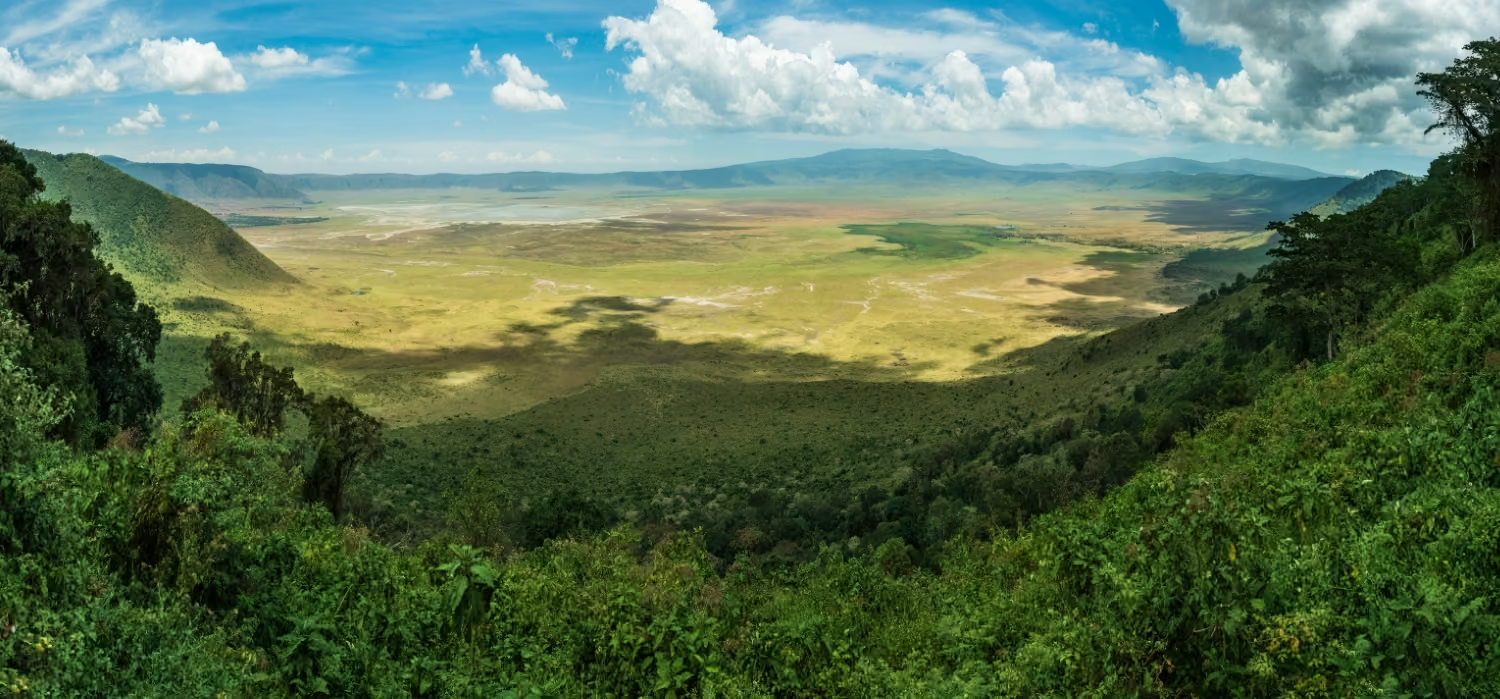
The Ngorongoro Conservation Area (NCA) is one of Tanzania’s most extraordinary safari destinations, where dramatic volcanic landscapes, exceptional wildlife density, and living Maasai culture exist in remarkable harmony. Covering approximately 8,292 square kilometers, this UNESCO World Heritage Site encompasses an astonishing range of ecosystems, from cool montane forests and sweeping highland grasslands to wetlands, soda lakes, and rugged Rift Valley escarpments.
At the heart of the conservation area lies the legendary Ngorongoro Crater, the world’s largest intact, unfilled volcanic caldera and one of the most wildlife-rich places on Earth. For photographers and safari enthusiasts alike, the crater offers unrivaled opportunities to capture Africa’s iconic species against a backdrop of breathtaking scenery.
At Above and Beyond Photographic Tours & Safaris, we design Ngorongoro experiences that go far beyond standard game drives. Our carefully paced itineraries allow guests to fully appreciate the region’s landscapes, observe wildlife behavior, and engage respectfully with the cultural heritage that makes this area truly unique.
History, Origins & UNESCO Recognition
Ngorongoro’s story begins nearly two million years ago, when a massive volcano collapsed inward, forming the fertile caldera that now sustains one of Africa’s densest concentrations of wildlife. Beyond its geological significance, the greater Ngorongoro region is internationally renowned for its archaeological importance, including nearby fossil sites that provide critical insights into early human evolution.
In 1959, the Ngorongoro Conservation Area was officially established to protect wildlife while allowing the Maasai people to continue their traditional pastoral way of life. This pioneering multiple-use conservation model led to its designation as a UNESCO World Heritage Site in 1979, recognizing both its natural and cultural value.
Today, the area is managed by the Ngorongoro Conservation Area Authority (NCAA), which oversees conservation initiatives, tourism regulation, and community development programs. Above and Beyond Photographic Tours & Safaris proudly supports these efforts through responsible tourism practices and meaningful community partnerships.
Geography, Size & Accessibility
Ngorongoro is easily accessible from Arusha, approximately a 3.5 to 5-hour drive, making it a key highlight of the Northern Tanzania Safari Circuit. It is often combined with Serengeti National Park, Lake Manyara, and Tarangire National Park. Due to the terrain and crater descent, a 4×4 safari vehicle is essential.
Wildlife & Ecology
Ngorongoro’s naturally enclosed ecosystem supports large, stable wildlife populations throughout the year, offering some of the most reliable game viewing in Africa.
Signature Wildlife Species
Permanent water sources such as Ngoitokitok Springs, expansive grasslands, and seasonal wetlands create ideal conditions for year-round wildlife viewing and dramatic predator–prey interactions, perfect for photographic safaris.
The Maasai Cultural Landscape
One of Ngorongoro’s defining features is its living cultural landscape. Unlike most protected areas, the NCA allows the Maasai to continue their traditional semi-nomadic pastoral lifestyle alongside wildlife conservation.
With Above and Beyond Photographic Tours & Safaris, guests may experience:
We emphasize respectful and ethical cultural interactions, including asking permission before photography and following guidance from local hosts and guides.
Top Experiences in Ngorongoro
Crater Floor Game Drives
The main highlight of the NCA, offering exceptional chances to see the Big Five and dense wildlife populations in a single day.
Crater Rim & Highland Walks
Guided walks along the rim and surrounding highlands provide panoramic views and excellent birdwatching opportunities. (Walking on the crater floor is restricted.)
Birdwatching Safaris
Seasonal wetlands and forests attract an extraordinary diversity of birdlife.
Cultural Encounters
Meaningful visits to Maasai communities for deeper cultural understanding.
Photography Safaris
Ngorongoro’s predictable wildlife sightings, dramatic light, and varied landscapes make it one of Africa’s most rewarding photographic destinations.
Archaeological Excursions
Optional visits to Olduvai Gorge, one of the world’s most important paleoanthropological sites.
Best Time to Visit
Ngorongoro is accessible year-round. Due to its elevation, cool mornings and evenings are common, warm layers are recommended.
Essential Visitor Information
Conservation & Community Commitment
Ngorongoro’s unique conservation model balances ecological protection with human livelihoods. Tourism revenue directly supports:
At Above and Beyond Photographic Tours & Safaris, we believe responsible tourism is essential to safeguarding Ngorongoro for future generations.
Why Ngorongoro Belongs on Your Tanzania Safari
The Ngorongoro Conservation Area offers an unparalleled combination of:
Whether you are embarking on your first African safari or returning to Tanzania as a seasoned traveler, Ngorongoro delivers a rich, diverse, and deeply memorable experience. With Above and Beyond Photographic Tours & Safaris, every journey is crafted to inspire, educate, and connect you to one of the world’s most remarkable natural landscapes.


Tel: +255 762 161 168
sales@uniquetanzaniavoyages.com
info@uniquetanzaniavoyages.com