Tel: +255 762 161 168

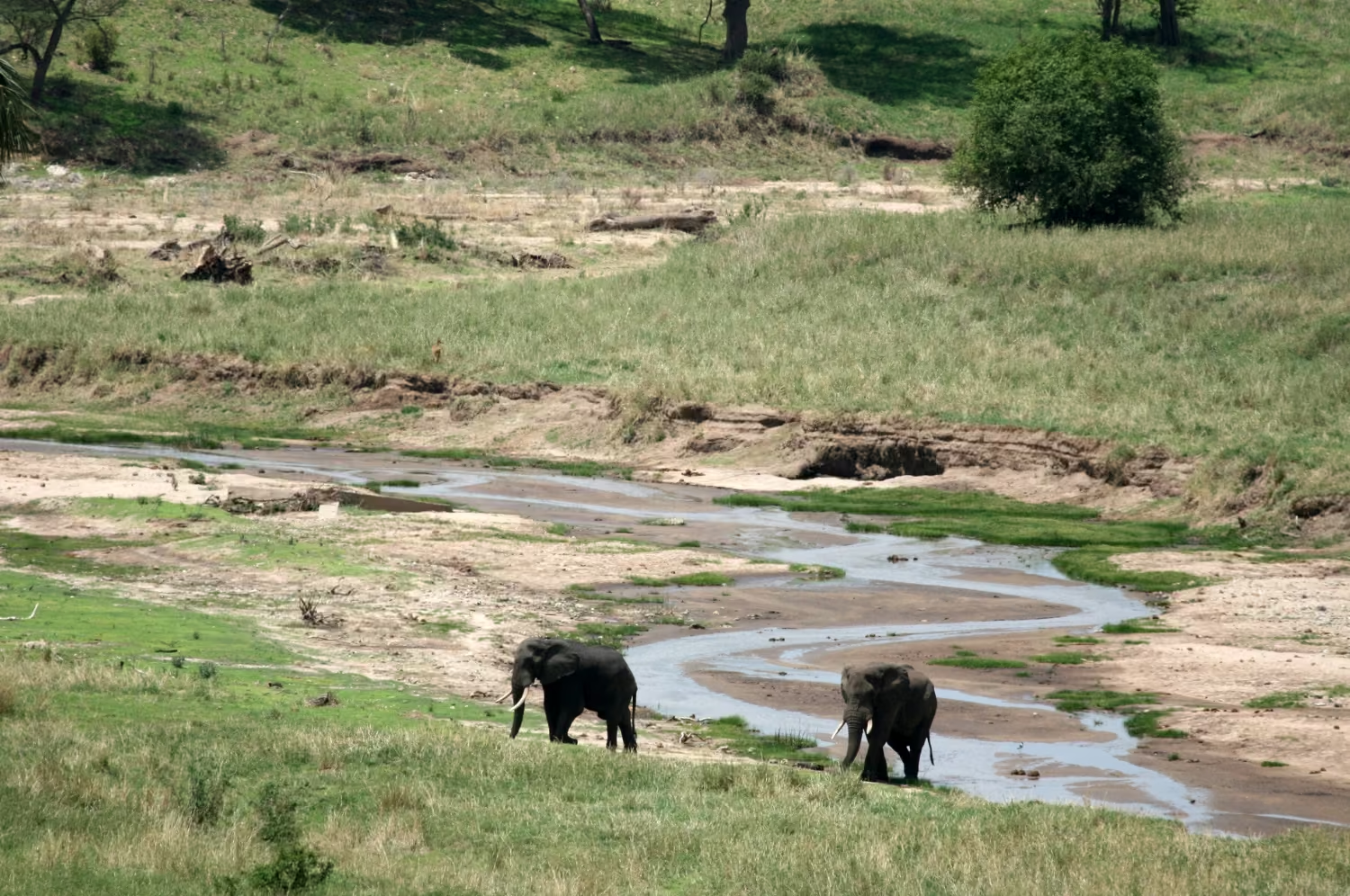
In northern Tanzania, away from the busier safari circuits, lies a landscape of timeless beauty and quiet grandeur. Tarangire National Park is not just a destination, it is a sanctuary where massive elephant herds wander beneath ancient baobab trees, where open plains stretch endlessly under the African sun, and where nature moves to a rhythm largely untouched by human presence. At Above and Beyond Photographic Tours & Safaris, we believe Tarangire embodies the true essence of an authentic safari, offering an experience as intimate as it is extraordinary.
A Brief History of Tarangire
Established in 1970, Tarangire preserves a critical wildlife corridor connecting Lake Manyara to the Maasai Steppe. Long before its protection, the Tarangire River served as a lifeline, drawing animals to its banks during the dry season. The park’s name comes from the Maasai language, meaning “the river of warthogs,” reflecting the deep ecological and cultural ties between the land and its people. Today, Tarangire safeguards over 550 bird species and countless mammals, maintaining a rich mosaic of biodiversity that continues to captivate photographers, wildlife enthusiasts, and conservationists alike.
Landscape and Geography
Spanning 2,850 square kilometers, Tarangire is Tanzania’s sixth-largest national park. Its landscapes are a striking blend of rolling hills, acacia woodlands, seasonal swamps, floodplains, and iconic baobab-studded savannahs. Elevations range from 900 to 1,200 meters, creating a dynamic environment where open grasslands meet dense woodland corridors. The Tarangire River, the park’s lifeblood during dry months from June to October, attracts large concentrations of wildlife. Towering baobabs, some centuries old, dominate the horizon, providing shade, food, and a timeless backdrop for unforgettable photographs.
Getting There
Tarangire National Park is conveniently located about two hours southwest of Arusha, making it accessible while still offering a secluded safari experience. Most visitors enter through the Main Gate at Makuyuni, traveling through rural landscapes and Maasai villages that provide early glimpses of Tanzania’s rich cultural heritage. For those seeking a quicker arrival, charter flights from Arusha, Serengeti, or Zanzibar land directly at Kuro Airstrip within the park.
Wildlife and Ecology
Often called “the land of giants,” Tarangire is famed for its elephant population and dramatic baobabs. During the dry season, it hosts one of the densest concentrations of wildlife outside the Serengeti, offering unparalleled opportunities for wildlife observation and photography.
Key Wildlife Species:
Birdlife:
With over 550 bird species, Tarangire is a paradise for birdwatchers. Highlights include Kori bustards, lilac-breasted rollers, yellow-collared lovebirds, superb starlings, and a variety of hornbills and raptors. Riverine forests, floodplains, and woodlands create a vibrant avian tapestry year-round.
Safari Activities
Best Time to Visit
The dry season is especially dramatic, often called a “mini migration” as herds concentrate around Tarangire’s permanent water sources.
Accommodation Options
Tarangire offers a wide range of lodges and camps to suit every preference:
Many lodges feature viewing decks and verandas where wildlife, including elephants, can often be seen roaming nearby, a dream setting for photographers.
Why Choose Tarangire with Above and Beyond Photographic Tours & Safaris
Tarangire is more than a park; it is a living canvas where nature dictates the pace and grandeur of every encounter. Its serene environment, immense wildlife diversity, and cultural connections make it an ideal destination for travelers seeking authentic African experiences. At Above and Beyond Photographic Tours & Safaris, we design personalized itineraries, combining Tarangire with other northern Tanzania highlights such as Serengeti and Ngorongoro, ensuring every safari moment is majestic, memorable, and perfect for photography.


Tel: +255 762 161 168
sales@uniquetanzaniavoyages.com
info@uniquetanzaniavoyages.com