Tel: +255 762 161 168

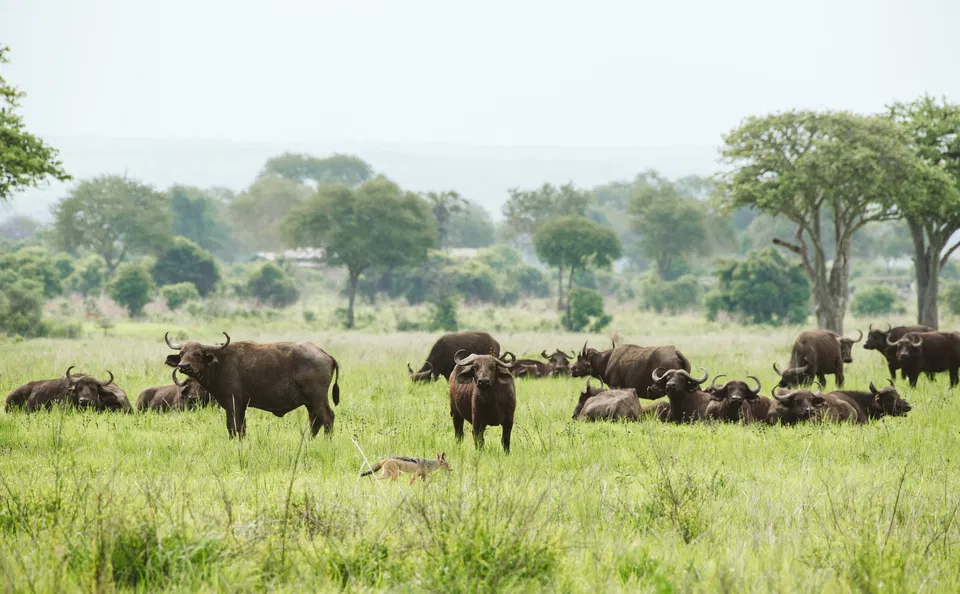
In the southern reaches of Tanzania, where ancient mountain ranges frame sweeping plains and wildlife still moves according to age-old rhythms, lies Mikumi National Park. For decades, this remarkable landscape has served as one of the country’s most welcoming safari destinations, drawing in travelers who seek both beauty and simplicity. Mikumi’s accessibility is often what first attracts visitors, but its untamed spirit, rich biodiversity, and serene atmosphere are what leave the deepest impression.
Positioned between the towering Uluguru Mountains and the rugged Lumango Range, the park forms an essential part of the immense Selous–Mikumi ecosystem, one of the largest protected wildlife areas on the continent. Its open grasslands strikingly similar to the great Serengeti have earned it the evocative title, the Serengeti of the South. With its golden savannahs, mountain-draped horizons, and thriving wildlife corridors, Mikumi offers an experience that feels both intimate and grand.
At Above and Beyond Photographic Tours & Safaris, we consider Mikumi a gem for travelers seeking authentic encounters with Tanzania’s southern wilderness, especially those with limited time who still want profound, memorable safari moments.
A National Park with a Legacy of Conservation
Mikumi’s story began in 1964 when it was officially declared a national park, coinciding with the early years of Tanzania’s independence. Its creation was a significant step in safeguarding the Mkata Floodplain, a vital stretch of land supporting some of the region’s most diverse wildlife species. Over the decades, Mikumi has grown into a crucial ecological extension of the Selous (now Nyerere National Park), allowing animals to follow historic migration paths across vast swaths of protected land.
Today, the Tanzania National Parks Authority manages Mikumi with a focus on conservation, ecosystem protection, and sustainable tourism. Its anti-poaching programs, community outreach work, and habitat preservation initiatives have made Mikumi a model for balancing environmental stewardship with visitor experiences.
Landscape, Geography, and the Character of the Park
Mikumi covers approximately 3,230 square kilometers, making it the fourth-largest national park in Tanzania. Its geography is as varied as it is dramatic:
The landscape includes acacia-dotted grasslands, baobab stands, miombo woodlands, seasonal wetlands, and dense riverine forests. As the seasons shift, the park transforms from a dry, amber-colored savannah in the late months of the year to a vibrant mosaic of greenery during the rains, attracting grazers, birds, and predators in impressive numbers.
The Kisungura and Kikoboga regions are especially rich in wildlife activity, providing some of the best game-viewing opportunities in southern Tanzania.
Reaching Mikumi: A Convenient Gateway to the Southern Circuit
One of Mikumi’s greatest advantages is its proximity to Dar es Salaam. Few parks in Tanzania offer such easy access from a major city while retaining an authentic wilderness feel.
By Road
Mikumi is about 283 kilometers from Dar es Salaam, reached via the A7 highway. The drive, typically four to five hours, winds through coastal landscapes, rolling hills, traditional farming villages, and the vibrant town of Morogoro, which lies just 50 kilometers from the park gate.
By Air
Mikumi Airstrip receives charter and scheduled flights from Dar es Salaam, Zanzibar, and Arusha. A flight from Dar es Salaam lasts around 45 minutes, providing a convenient option for travelers who want to maximize their time in the bush.
Both travel methods make Mikumi an ideal choice for short safaris, weekend escapes, or as a gateway into deeper southern wilderness areas.
Wildlife and Ecology: A Tapestry of Life
Mikumi’s ecology closely mirrors the Serengeti’s, with wide plains supporting a wealth of grazers and predators. This balanced ecosystem allows for extraordinary game densities across the park.
Mammals
Visitors can expect to encounter a variety of species, including:
During the dry season, wildlife congregates around permanent water sources, making sightings particularly frequent and rewarding.
Birdlife
With more than 400 bird species recorded, Mikumi is a sanctuary for bird enthusiasts. From lilac-breasted rollers and martial eagles to hornbills and colorful migratory species, the park offers remarkable birdwatching opportunities throughout the year.
Reptiles and Smaller Species
Monitor lizards, tortoises, snakes, frogs, and other smaller creatures contribute to the ecological richness of the region. The wetlands support thriving amphibian communities, especially during the rainy months.
Vegetation and Habitats Across the Park
Mikumi’s vegetation transitions from sun-bleached plains to lush riverine forests and dense woodlands. Key habitats include:
During the rainy season, wildflowers carpet sections of the plains, attracting insects, birds, and grazing herds.
Activities and Experiences in Mikumi
Game drives offer access to the park’s diverse habitats and wildlife hotspots. Sunrise and sunset drives are particularly atmospheric, showcasing shifting light across expansive plains and increasing chances of encountering predators.
Led by trained rangers, walking safaris provide an immersive experience. They reveal the park’s finer details from animal tracks to plant species and give travelers a deeper appreciation for the ecosystem.
Bird enthusiasts can explore the riverbanks, wetlands, and open plains. The wet season is especially productive, with migratory species joining resident birds.
Communities around Mikumi, including the Waluguru and Wasagara peoples, contribute greatly to the region’s cultural landscape. Visitors can tour local villages, learn traditional farming techniques, explore markets, and experience music and dance practices preserved for generations.
Mikumi’s diverse terrain and abundant wildlife provide ideal conditions for photographers. The combination of wildlife, mountains, baobabs, and dramatic skies offers endless opportunities for compelling images.
The Best Time to Visit
Mikumi is accessible year-round, with each season offering its own charm:
Temperatures remain moderate overall, though nights can become cooler during the dry season.
Where to Stay: Accommodation Options
Mikumi provides lodging for all preferences:
All accommodations prioritize sustainable tourism and blend naturally with the surrounding landscape.
Culture, Community, and Conservation
The communities bordering Mikumi play a vital role in supporting conservation goals. Through community-based tourism initiatives, locals participate in guiding, hospitality, craftwork, and agricultural programs that benefit both visitors and residents. These partnerships strengthen conservation efforts and contribute to regional development.
Why Choose Mikumi National Park
Mikumi offers the perfect balance of convenience, wildlife density, and striking scenery. It is an ideal destination for:
Here, elephants roam freely across sunlit plains, lions rest in the shade, and hippos wallow in natural pools, all within a peaceful environment far removed from the crowds of northern Tanzania.
Above and Beyond Photographic Tours & Safaris proudly designs journeys that combine Mikumi with its neighboring wilderness areas, giving travelers a full exploration of southern Tanzania’s natural wonders.
Final Thoughts
Mikumi National Park embodies the essence of southern Tanzania’s wilderness a place where nature thrives undisturbed and where every horizon reveals a new moment of beauty. Whether you are beginning your safari journey or returning to Tanzania to explore deeper, Mikumi offers a powerful blend of tranquility, wildlife, culture, and unforgettable scenery. It is a park that rewards curiosity, inspires reflection, and leaves every visitor with a profound appreciation for the natural world.


Tel: +255 762 161 168
sales@uniquetanzaniavoyages.com
info@uniquetanzaniavoyages.com