Tel: +255 762 161 168

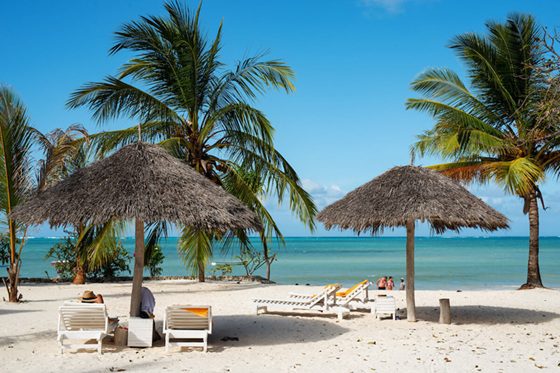
Zanzibar Island, also known as Unguja, is one of East Africa’s most enchanting destinations, located approximately 36 kilometers off the Tanzanian mainland in the Indian Ocean. Covering 1,666 square kilometers, Zanzibar forms the heart of the Zanzibar Archipelago, which includes Pemba Island and several smaller islets. Renowned for its pristine white-sand beaches, turquoise waters, lush spice plantations, and historic Stone Town, Zanzibar is both a cultural and ecological gem.
At Above and Beyond Photographic Tours & Safaris, we guide travelers through this island paradise where tropical beauty seamlessly blends with centuries of vibrant history, offering experiences that span adventure, relaxation, and cultural discovery.
History of Zanzibar
Zanzibar’s rich heritage reflects a fusion of African, Arab, Persian, and European influences shaped over more than a millennium of trade and cultural exchange. By the 8th century, the island had become a thriving center of Swahili culture and maritime commerce. The Omani Sultanate established dominance in the 17th century, turning Zanzibar into a world-leading exporter of spices, ivory, and slaves.
The UNESCO-listed Stone Town, with its narrow streets, coral stone buildings, and intricately carved wooden doors, stands as a living testament to this layered history. Zanzibar later became a British protectorate, achieving independence in 1963 and uniting with Tanganyika in 1964 to form the United Republic of Tanzania. Today, the island is a vibrant blend of tradition and modernity, inviting visitors to step back in time while embracing its warm, welcoming culture.
Geography and Climate
Zanzibar’s landscape includes white sandy beaches, coral reefs, mangrove forests, tropical plantations, and gentle rolling hills, supporting diverse marine and terrestrial ecosystems.
How to Get There
Key Attractions
Stone Town
Spice Plantations
Jozani Chwaka Bay National Park
Beaches & Marine Experiences
Culture and People
Zanzibar’s inhabitants are predominantly Swahili, reflecting African, Arab, and Indian heritage. Islam shapes cultural norms, while traditional Taarab music, Swahili cuisine, and festivals like Sauti za Busara and ZIFF showcase its rich artistic identity. Visitors can expect warm hospitality, vibrant markets, and authentic cultural encounters.
Ecology and Biodiversity
Zanzibar’s ecosystems include both marine and terrestrial habitats, supporting:
Above and Beyond Photographic Tours & Safaris supports sustainable tourism, partnering with conservation initiatives to preserve Zanzibar’s fragile environments.
Activities
Each activity offers an intimate connection with Zanzibar’s natural and cultural charm.
Practical Visitor Information
Why Visit Zanzibar
Zanzibar is more than a beach escape. It is a destination where history, culture, and nature coexist beautifully. From Stone Town’s coral-stone alleys to the spice-scented plantations and turquoise shores, the island captivates travelers of every interest.
At Above and Beyond Photographic Tours & Safaris, we offer curated tours blending heritage exploration, marine adventure, and pure relaxation, ensuring every visit to Zanzibar is unforgettable.


Tel: +255 762 161 168
sales@uniquetanzaniavoyages.com
info@uniquetanzaniavoyages.com