Tel: +255 762 161 168

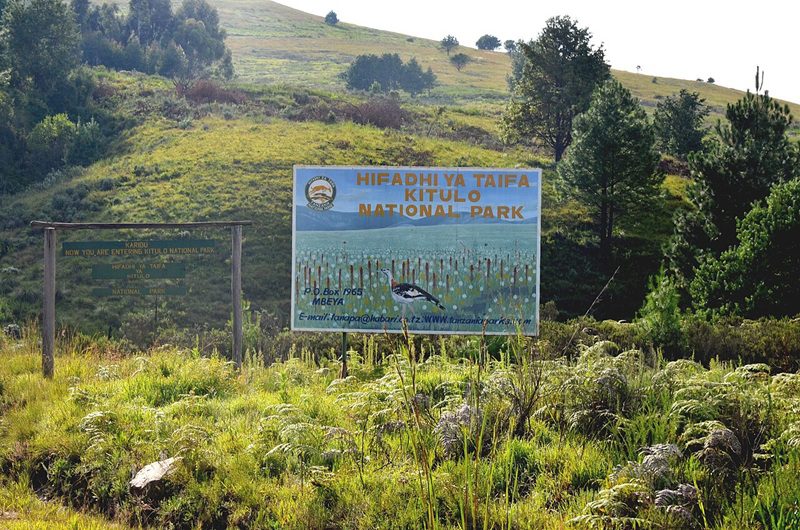
Rising gently in Tanzania’s southern highlands, Kitulo National Park is a place of quiet beauty and extraordinary biodiversity. Often referred to as the “Garden of God,” this remote high-altitude plateau reveals sweeping montane grasslands, mist-laced valleys, and flower-filled meadows that bloom in spectacular color. Unlike traditional safari destinations, Kitulo offers a tranquil escape into nature, where walking trails replace game drives and wildflowers rival wildlife as the main attraction.
This is a destination for travelers seeking something different , a journey defined by ecological discovery, cultural connection, and peaceful exploration far from Tanzania’s busy northern circuit.
A Brief History and Conservation Significance
Officially gazetted as a national park in 2005, Kitulo was long recognized by botanists and conservationists as one of East Africa’s most important floral regions. Decades before its designation, scientists documented its remarkable concentration of endemic plants, particularly orchids, making the plateau globally significant for botanical conservation.
Before becoming a protected area, the land was traditionally used by the Wanji and Pangwa communities for small-scale farming, livestock grazing, and honey harvesting. Today, Kitulo National Park balances conservation with community involvement, protecting fragile ecosystems while supporting eco-tourism initiatives that provide sustainable livelihoods and promote environmental stewardship.
Geography, Landscape, and Climate
Kitulo’s high elevation and volcanic soils create ideal conditions for specialized alpine plant communities. During the wet season, the plateau transforms into a vibrant botanical tapestry, while the dry season offers clear skies and excellent trekking conditions.
Getting to Kitulo National Park
Reaching Kitulo is part of its charm, reinforcing its reputation as a peaceful and uncrowded destination:
The park’s remoteness ensures an authentic wilderness experience, ideal for travelers who value solitude and untouched landscapes.
Flora, Fauna, and Ecology
Botanical Richness
Kitulo is internationally celebrated for its plant diversity, hosting:
Between December and March, the plateau erupts into color as wildflowers bloom across the meadows, creating one of Africa’s most extraordinary floral displays.
Wildlife
While not a traditional big-game park, Kitulo supports wildlife adapted to highland environments, including:
Birdlife
With more than 200 recorded bird species, Kitulo is a haven for birdwatchers, featuring:
Experiences and Activities in Kitulo
Flower Viewing and Photography
During the rainy season, vast meadows bloom with orchids and wildflowers, offering unmatched opportunities for nature photography, botanical study, and scenic appreciation.
Hiking and Trekking
Guided trails range from gentle walks to multi-day treks, leading through valleys, plateaus, and forest edges. Along the way, visitors learn about plant ecology, highland wildlife, and conservation efforts.
Birdwatching and Nature Walks
Slow-paced exploration allows for close observation of birds, insects, and endemic plant species in their natural habitats.
Cultural Encounters
Visits to nearby Wanji and Pangwa communities offer insight into traditional farming, honey production, medicinal plant use, and daily highland life, creating meaningful cultural connections.
Practical Visitor Information
Why Visit Kitulo National Park?
Kitulo National Park is a rare and rewarding destination for travelers who value serenity, learning, and natural beauty over crowds and classic safari routines. Its combination of flowering landscapes, cool highland climate, rich birdlife, and cultural experiences makes it one of Tanzania’s most unique and underappreciated parks.
With Above and Beyond Photographic Tours & Safaris, your journey to Kitulo is carefully designed to respect the environment, support local communities, and deliver a deeply enriching highland adventure.
Kitulo is not just a destination , it is an experience of nature at its most delicate, colorful, and inspiring.


Tel: +255 762 161 168
sales@uniquetanzaniavoyages.com
info@uniquetanzaniavoyages.com