Tel: +255 762 161 168

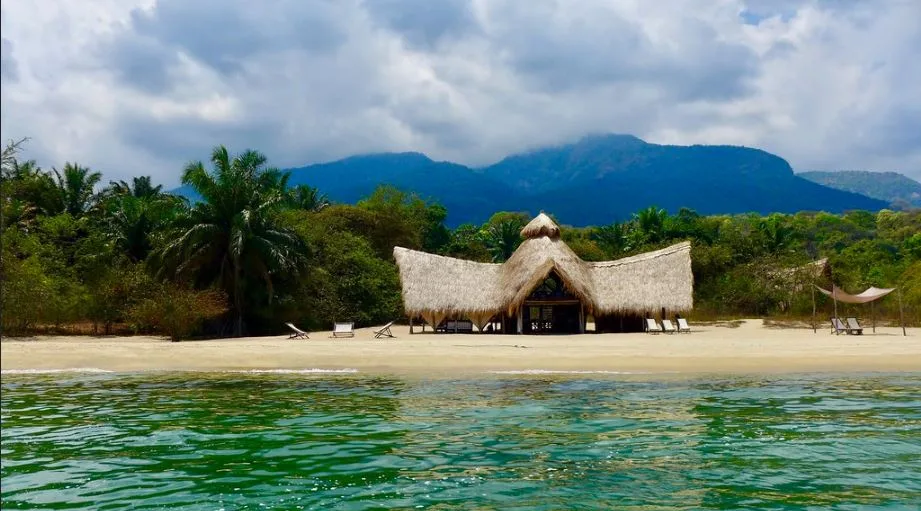
There are few places in Africa where the boundary between land and water feels as timeless and untouched as it does in Mahale Mountains National Park. Set along the remote eastern shores of Lake Tanganyika, Mahale is a realm where forest-clad mountains plunge dramatically into one of the world’s deepest freshwater lakes, and the air resonates with the calls of wild chimpanzees echoing through ancient forests.
At Above and Beyond Photographic Tours & Safaris, we regard Mahale as one of Tanzania’s most extraordinary wilderness sanctuaries, a destination defined by isolation, authenticity, and profound natural beauty. This is a place for travelers seeking true immersion, where solitude replaces crowds and nature determines the rhythm of each day.
Mahale is a world apart. There are no roads cutting through the forest and no vehicles disturbing its tranquility. Movement is by foot or by boat alone, preserving the park’s pristine character and creating an experience that feels deeply connected to the land. Every journey here is raw, intimate, and guided by the wilderness itself.
A Legacy of Conservation and Discovery
Long before Mahale Mountains National Park was officially gazetted in 1985, its importance was already recognized. For generations, the Wabande people lived along the shores of Lake Tanganyika, sustaining themselves through fishing and small-scale farming. Their eventual relocation formed part of a broader national conservation effort to protect one of Africa’s most significant chimpanzee habitats.
In the 1960s, Japanese researchers from Kyoto University began groundbreaking long-term studies of Mahale’s chimpanzees. These studies evolved into one of the world’s most comprehensive primate research programs, offering unprecedented insight into chimpanzee behavior, social structure, and intelligence. Their work played a crucial role in securing Mahale’s protected status.
Today, Mahale stands as a powerful example of successful conservation, where scientific research, protected status, and carefully managed tourism work together to preserve endangered species and irreplaceable ecosystems.
Geography and Ecological Diversity
Mahale Mountains National Park spans approximately 1,650 square kilometers of rugged wilderness along Lake Tanganyika’s shoreline. Rising sharply from the lake is the Mahale Mountain Range, crowned by Mount Nkungwe at 2,462 meters above sea level. These mountains support a rich mosaic of ecosystems, including tropical rainforest, montane forest, miombo woodland, bamboo forest, grasslands, and riverine corridors.
Lake Tanganyika forms the park’s western boundary, an ancient and remarkably clear freshwater lake known for its extraordinary biodiversity. As the second-deepest lake in the world, it is home to hundreds of endemic fish species, making Mahale both a terrestrial and aquatic conservation treasure.
The dry season runs from May to October, offering ideal conditions for chimpanzee trekking. The wet season, from November to April, transforms the forest into a lush, emerald landscape rich in birdlife, botanical diversity, and atmospheric photographic scenes.
Reaching One of Tanzania’s Most Remote Wilderness Destinations
Mahale’s remoteness enhances its magic, yet access is well organized for those seeking a truly off-the-beaten-path adventure.
By Air
Charter flights connect Arusha, Dar es Salaam, and Zanzibar with Kigoma Airport, typically taking around three hours. Some exclusive lodges also arrange direct charters to airstrips near the park.
By Lake
From Kigoma, travelers continue by road to lakeside villages such as Kasoge or Mgambo, before embarking on a scenic boat journey across Lake Tanganyika. The crossing takes approximately four to six hours, revealing breathtaking views of the Mahale Mountains rising straight from the water.
The journey itself becomes part of the experience, gradually easing travelers into the silence and isolation that define Mahale.
Wildlife and the Iconic Chimpanzees of Mahale
Mahale is best known for its population of over 1,000 wild chimpanzees, including habituated groups such as the renowned M Group, studied continuously since the 1960s. Tracking chimpanzees here is a deeply moving experience. Guided by expert trackers, visitors follow vocalizations, broken branches, and footprints through the forest until they encounter the troop.
Observations often include grooming rituals, playful interactions, dramatic vocal displays, and moments of striking intelligence, offering a rare window into the lives of our closest relatives.
Mahale also supports several other primate species, including:
Larger mammals are more elusive but include bushbucks, bush pigs, porcupines, warthogs, and occasional leopards deep within the forest.
Birdlife is equally impressive, with more than 350 recorded species ranging from forest specialists to lakeside hunters such as the African fish eagle. Beneath the lake’s surface, over 250 species of colorful cichlid fish make snorkeling an unexpectedly rewarding experience.
Experiences and Activities in Mahale
Chimpanzee Trekking
The defining experience of Mahale. Treks typically last between one and four hours, depending on chimpanzee movements. Once located, visitors spend a precious hour observing the chimps in their natural habitat.
Hiking and Mountain Exploration
Mahale offers exceptional hiking opportunities, from gentle forest walks to demanding full-day treks. The climb to Mount Nkungwe is challenging but rewards hikers with spectacular views over Lake Tanganyika and the surrounding wilderness.
Lake Tanganyika Experiences
The lake itself offers a range of tranquil and adventurous activities:
Birdwatching
The convergence of forest, woodland, and lake habitats creates exceptional bird diversity. Early morning outings provide the best opportunities for sightings and photography.
Cultural Encounters Beyond the Park
Although the Wabande people no longer reside within park boundaries, lakeside communities continue traditional fishing practices and maintain strong cultural ties to the region. Visits to these villages offer insight into daily life along Lake Tanganyika and the human history intertwined with this remote wilderness.
Ecological Significance
Mahale lies at an ecological crossroads where eastern and central African species overlap. Its forests play a vital role in regulating local climate and protecting the Lake Tanganyika basin. Towering hardwood trees, dense lianas, bamboo belts, and riverine vegetation support a complex and interconnected web of life.
Protecting Mahale is essential not only for chimpanzees but also for countless plant and animal species that rely on this intact rainforest ecosystem. It remains one of East Africa’s most important strongholds for tropical forest conservation.
Best Time to Visit
The Spirit of Mahale
Mahale Mountains National Park is far more than a destination, it is a deeply moving wilderness experience. Here, forested mountains meet ancient waters, chimpanzees roam freely, and silence reigns. Time slows, and the natural world reveals itself in its purest form.
At Above and Beyond Photographic Tours & Safaris, we believe Mahale represents one of Tanzania’s greatest natural treasures. Whether trekking through untouched rainforest, observing chimpanzees at close range, or drifting across Lake Tanganyika at sunset, Mahale offers moments that are both humbling and transformative.
This is a journey for those who seek depth, authenticity, and connection. Mahale does not simply offer a safari, it offers a return to the soul of the wild.


Tel: +255 762 161 168
sales@uniquetanzaniavoyages.com
info@uniquetanzaniavoyages.com